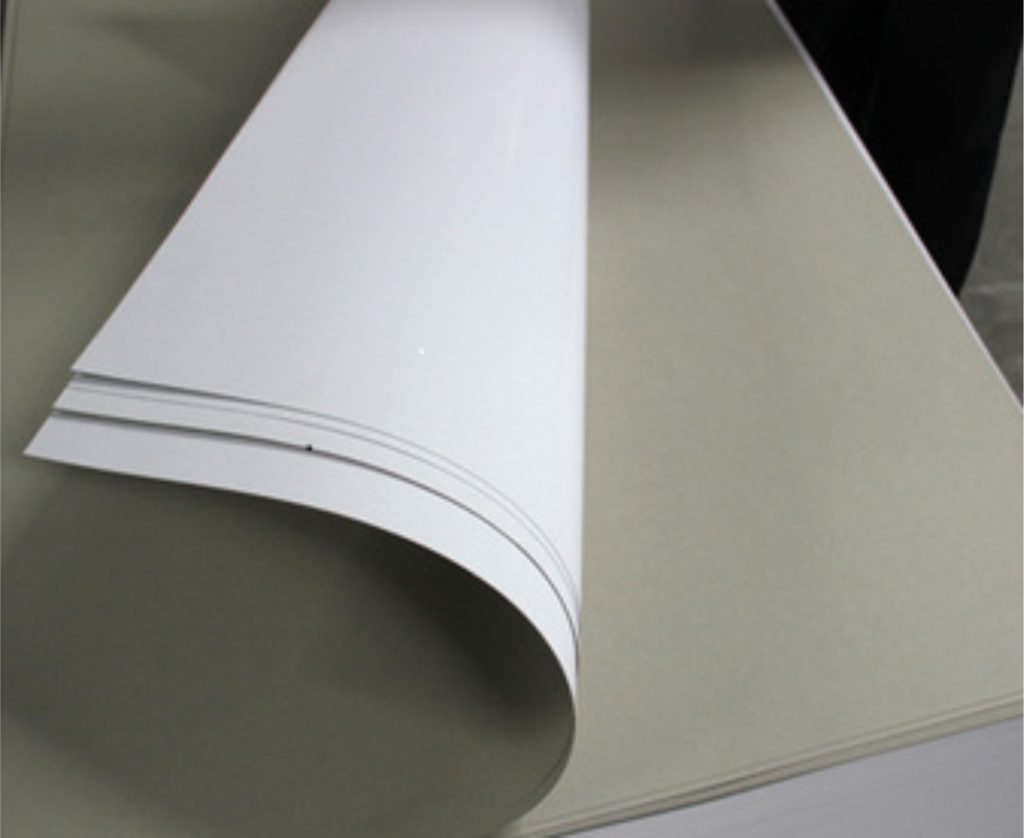
Solid board in packaging – GC1, GC2 and GD
In packaging production, companies very often choose solid board. Importantly, this is not a single material type, because it comes in at least three variants. The differences mainly affect the reverse-side color, stiffness level, and the quality of the coated top side. Therefore, we compare the three basic solid board types below to make selection easier.
GC1 – premium board
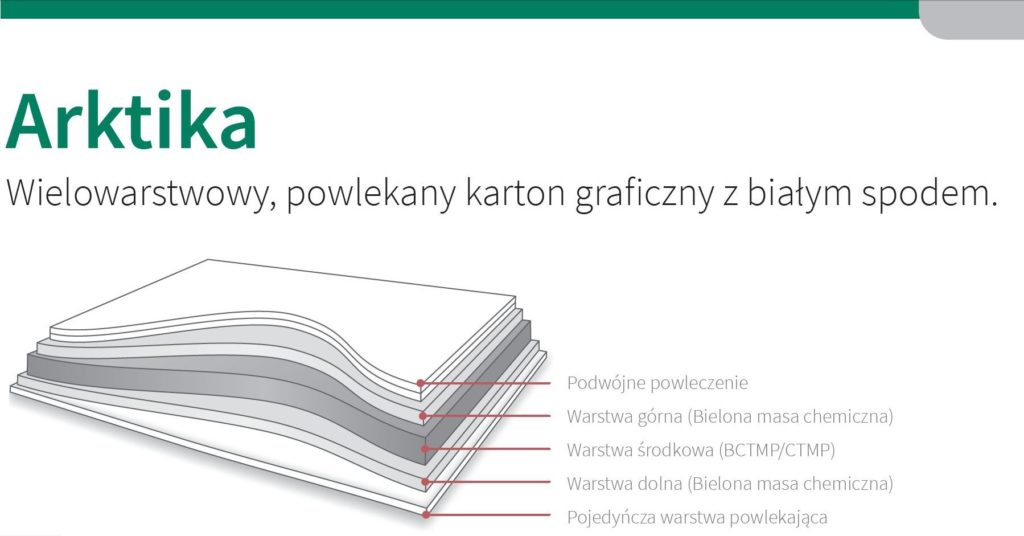
GC1 is associated with the premium segment, and the cosmetics and pharmaceutical industries choose it most often. Notably, the outer side may be double-coated, and sometimes even triple-coated. Moreover, GC1 offers enhanced stiffness, while the inner side stays uncoated and white. A popular option in this group is Arctica 300 g, also known as Alaska White, which many companies consider a strong choice in its class.
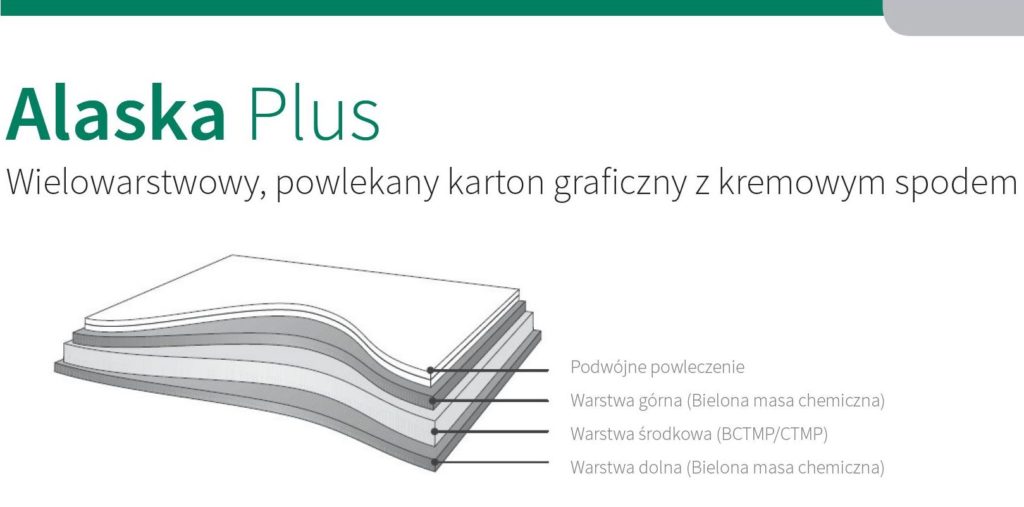
GC2 – high stiffness and durability at a sensible price
GC2 works well for packaging where the look should be very good, but not necessarily premium. It stands out for very high stiffness, and it is often even stiffer than GC1. Therefore, printers recommend it wherever the packaging must be primarily durable. In contrast to GC1, the reverse side of GC2 has a cream tone. Furthermore, this group is common in pharma, cosmetics, and food, and it is also used for displays.
- Typical grammages: 250 g, 300 g, 350 g
GD – the budget option
GD is the most affordable and also the least premium option. Importantly, it is recycled board, therefore the top side is not bright white and can look slightly greyish. In terms of stiffness, it falls behind the other types, so it is not a good choice for premium packaging or for applications that require high resistance. The bottom layer is an uncoated grey reverse side. Its key advantage remains the lowest price.
- Available grammages: 180 g, 215 g, 230 g, 250 g, 300 g, 350 g, 400 g
To sum up, solid board remains one of the core raw materials in packaging production. The right choice—GC1, GC2, or GD—should depend on the expected quality, stiffness, and end use. Therefore, before you decide, define your brand needs clearly.