How Are Pages Bound in Brochures, Catalogs and Books?
In printing, there are several popular ways to bind pages in publications such as catalogs, books, and brochures. The choice of binding depends on the number of pages, the intended use, and production costs. Below, we present the most common solutions along with a short description of how they are used.
Saddle stitching – wire stitching
Saddle stitching is commonly called brochure binding or wire stitching. Most often, it is used for brochures where the page count does not exceed about 80 pages. Moreover, this option is popular for economic reasons, because it is one of the most affordable binding methods. In practice, you will see both flat staples and loop staples, which make it possible to file a brochure into a binder.
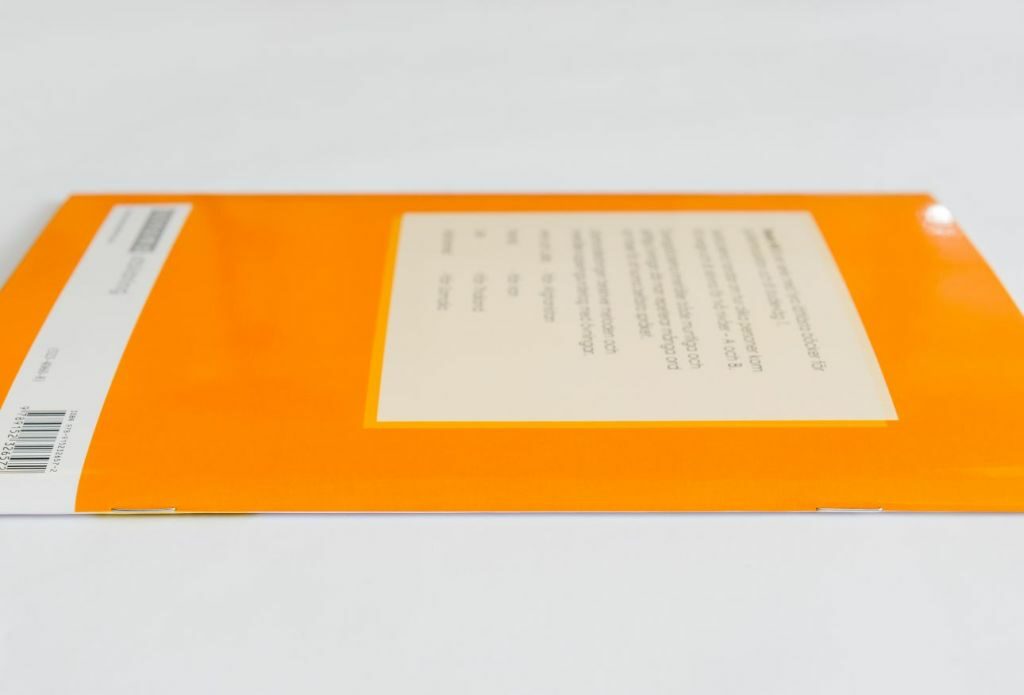
Perfect binding – HotMelt and PUR
The most popular way to bind pages in catalogs and books is softcover perfect binding. The most commonly used adhesive is HotMelt. Typically, this binding is recommended for publications up to around 100 pages. The cover can be made without flaps, however one- or two-flap versions are also common. For thicker volumes, PUR glue is used instead, because it provides a stronger bond.
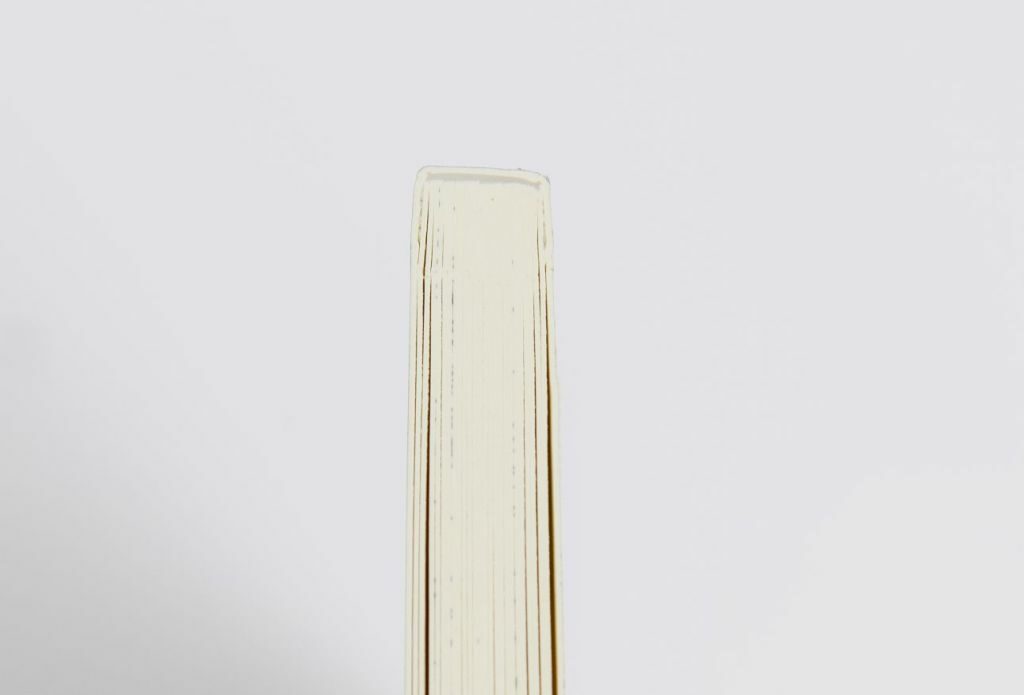
Sewn perfect binding
Sewn perfect binding is a more advanced version of glued binding. The difference is that the book block is additionally reinforced with thread stitching. As a result, the publication withstands intensive use better, therefore this solution is chosen for materials that are handled frequently.
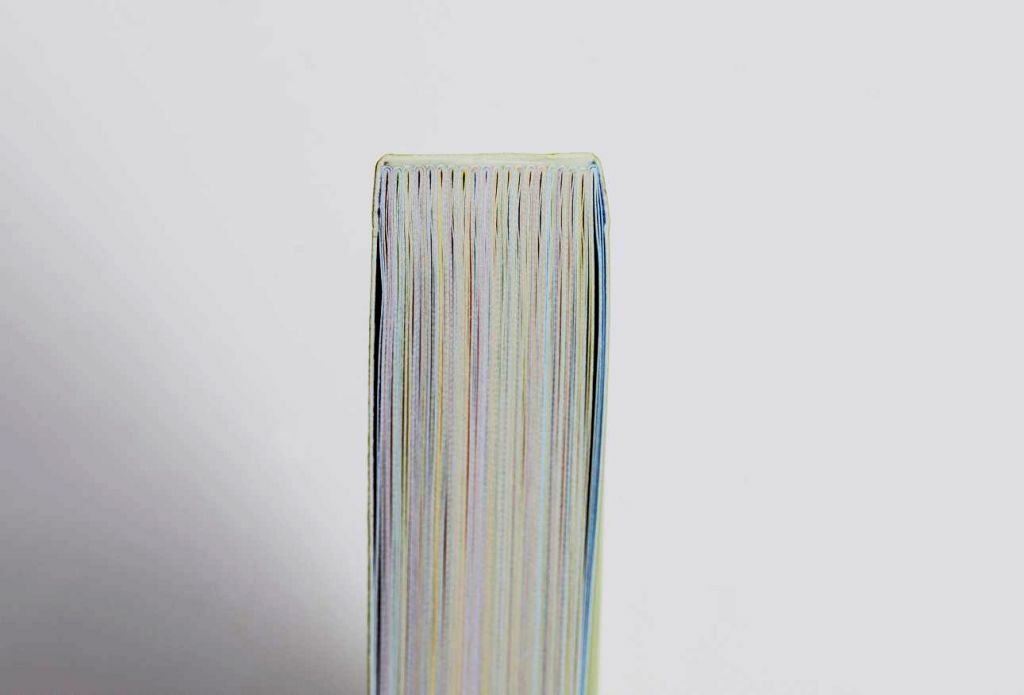
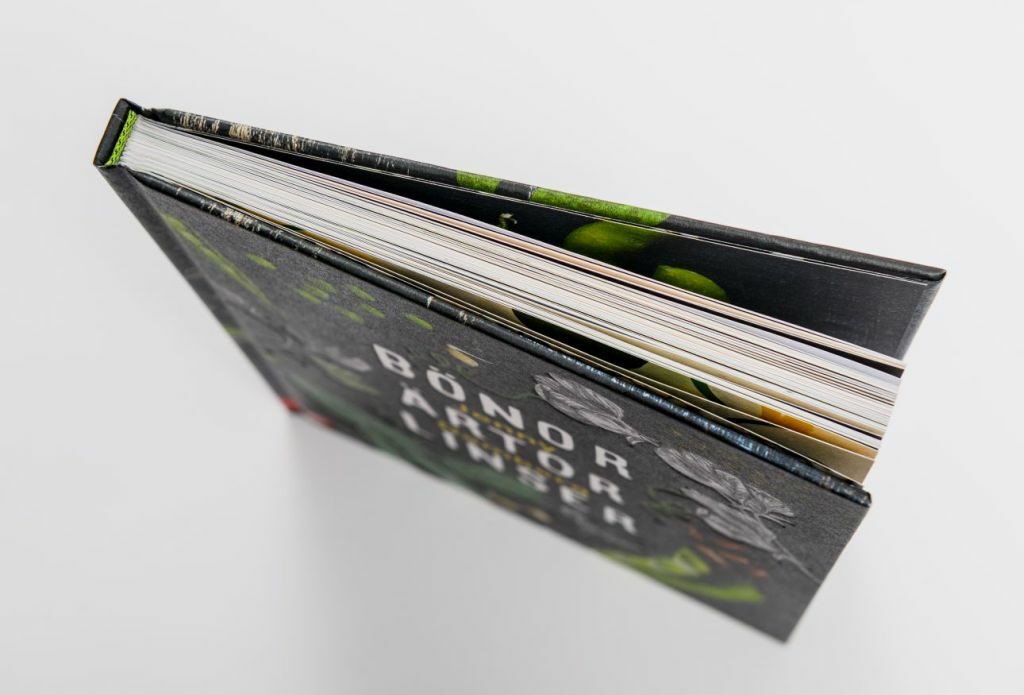
Hardcover binding – case binding
Hardcover binding, also called case binding, is exceptionally solid and durable. It is made from solid board with a thickness of 1–3 mm. Importantly, printing is not done directly on the board, but on a wrap (covering paper). The wrap is usually printed on 130–150 g coated paper and then laminated onto the board. A thread-sewn book block is glued into the cover, which is also called the “case.” To prevent the board from being visible on the inside, endpapers are used, most often unprinted uncoated (offset) paper.
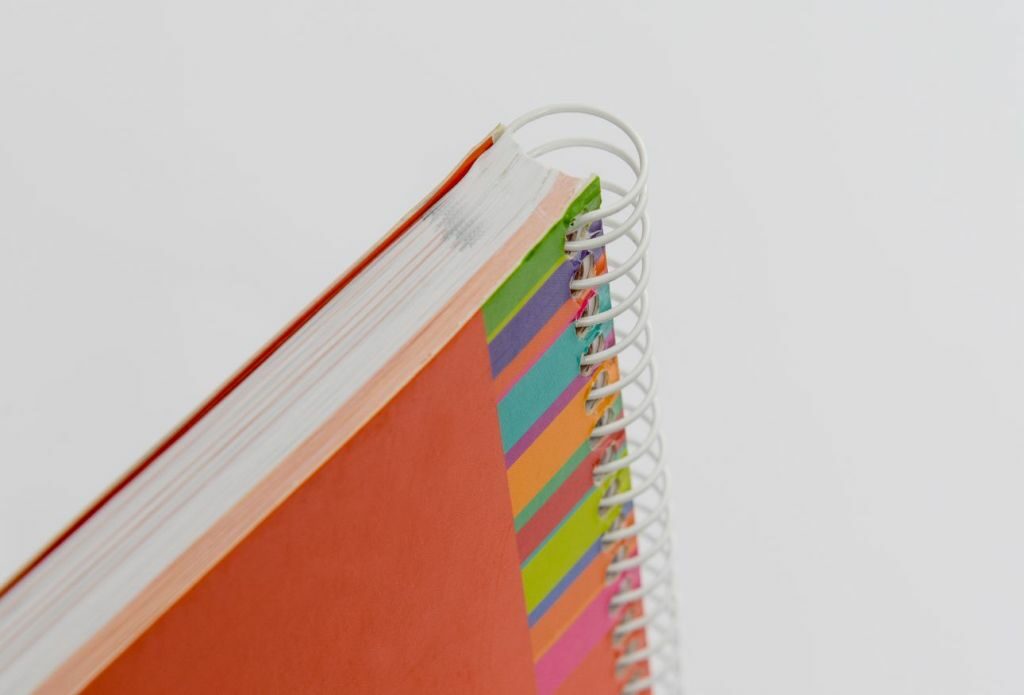
Spiral binding
Spiral binding is associated mainly with multi-page calendars. It is also used for catalogs and brochures, although less often. Pages are bound with a metal spiral, and different color options are available, for example silver, black, red, green, or blue. Spiral binding makes browsing easier; however, it is not a low-cost option.
Need help choosing the right binding? Write to us—tell us the page count and how the publication will be used, and we will recommend the best option.